Dressing for Yourself: How to Find a Personal Style That Feels Authentic

Updated: Oct 20
Your wardrobe doesn't need to follow every trend. It needs to tell your story.
Fashion is everywhere. From carefully curated Pinterest boards to endless TikTok outfit videos, we are constantly introduced to new aesthetics, must-have pieces and rules about how to dress.
One week, it's quiet luxury. The next, it's coquette bows, oversized blazers or a completely different aesthetic. With so many styles competing for our attention, getting dressed can sometimes feel less like self-expression and more like trying to keep up.
But what if you stopped asking, What's fashionable right now? and started asking, What actually feels like me?
Finding your personal style isn't about creating the perfect wardrobe or buying an entirely new collection of clothes. It's about understanding what you enjoy wearing, what makes you feel comfortable and confident, and how you want to express yourself to the world.
Here's how to start dressing for yourself.
01. Discover What You Naturally Gravitate Towards
Before buying anything new, take a look at what you already own.
Which pieces do you reach for repeatedly? Is it the oversized blazer that makes you feel put-together, the colourful top that brightens your mood, or the simple dress that makes getting ready effortless?
Pay attention to these patterns. They can reveal more about your personal style than any online trend report.
Try this simple exercise: look through your wardrobe and select five outfits or individual pieces you genuinely love wearing.
Ask yourself:
What do these pieces have in common?
Do I prefer structured or relaxed silhouettes?
Am I drawn to neutral colours, bright shades or softer tones?
Do I enjoy simple outfits or statement-making combinations?
How do these clothes make me feel when I wear them?
You might discover that your style combines several aesthetics. Perhaps you love minimalist basics but enjoy adding playful accessories. Maybe you prefer feminine silhouettes with sporty shoes.
You don't have to fit neatly into one category. Your style can evolve with you. Instead of asking whether a piece is fashionable, ask whether you would still want to wear it if nobody else were talking about it.

02. Find the Colours That Feel Like You
Colour can dramatically change the mood of an outfit. It can make a look feel understated, playful, bold, romantic or sophisticated.
However, finding your signature colours doesn't mean restricting yourself to a strict palette or following every rule of colour analysis.
Start by noticing the colours you already enjoy wearing. Look at your favourite clothes, accessories and even the colours you naturally choose when decorating your room.
Then experiment.
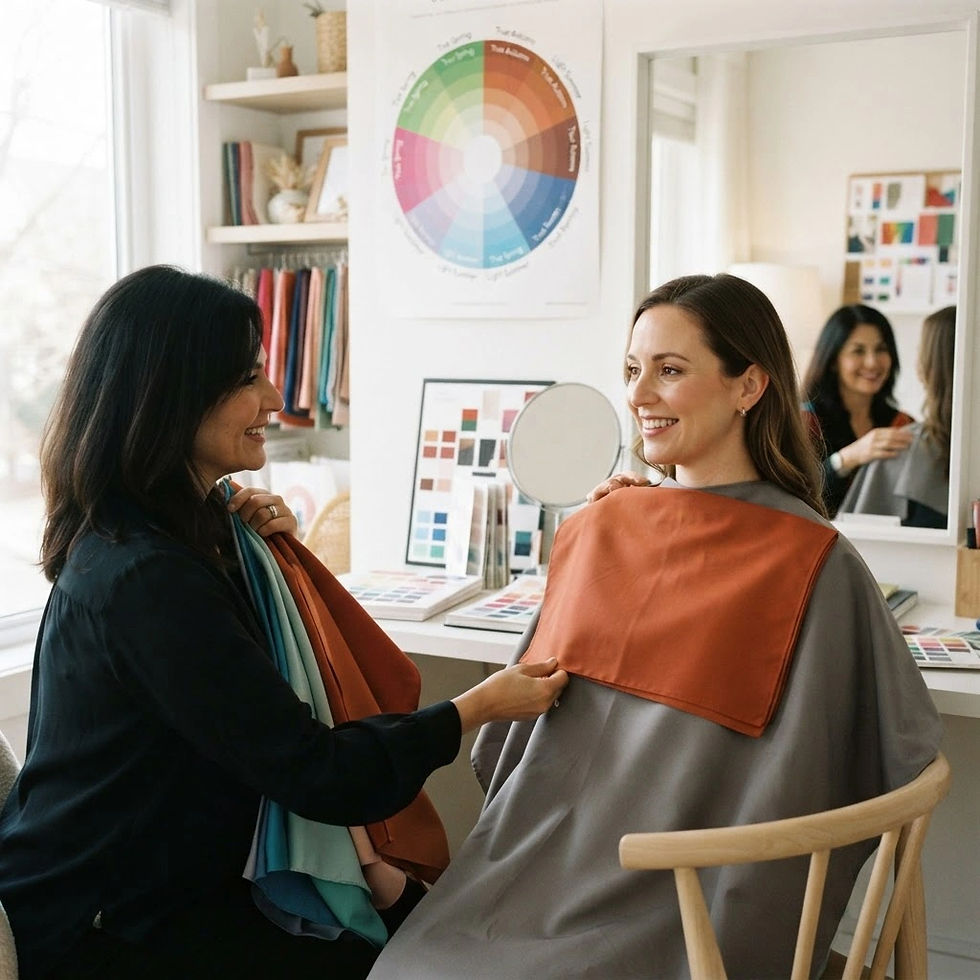
Try wearing different shades near your face and observe how you feel in them. Do you prefer soft pastels, rich jewel tones, earthy shades or crisp neutrals? Which colours make you feel energised, calm or confident?
You can also explore how colours work together. If your wardrobe is mostly black, white and beige, a colourful handbag or scarf might introduce personality without changing your entire look.
If you love colour but struggle to combine shades, start with one statement colour and pair it with neutrals. As you become more comfortable, experiment with complementary colours or different shades of the same colour.
Remember that colour analysis can be a useful starting point, but it is not a rulebook. You can wear a colour simply because you love it.
03. Understand the Silhouettes You Enjoy Wearing
Personal style isn't just about colour. The shape, proportion and movement of clothing also influence how an outfit feels.
Some people love structured jackets and tailored trousers. Others feel most themselves in flowing skirts, relaxed denim or oversized shirts. Neither approach is inherently better.
The key is discovering the proportions you enjoy and how different pieces work together.
Relaxed and oversized: Pair a loose shirt with straight-leg trousers or fitted bottoms if you enjoy balancing proportions.
Structured and polished: Try tailored trousers with a blazer or a well-cut jacket.
Soft and feminine: Experiment with flowing fabrics, delicate details or gently defined waistlines.
Playful and expressive: Mix unexpected proportions, textures or patterns to create a look that feels individual.
These are starting points, not strict rules about what your body should or shouldn't wear.

Instead of dressing to hide certain features or meet a particular body ideal, consider how you want your clothes to function. Do you want freedom of movement? A more structured feel? Clothes that work for long days? Outfits that make you feel expressive?
Comfort and confidence can coexist with experimentation.
You are allowed to wear what you enjoy, regardless of what conventional styling advice says you should wear.
04. Make Accessories Your Signature
Sometimes, the smallest details make an outfit memorable. A distinctive pair of earrings, a colourful handbag, a favourite watch, an interesting belt or a silk scarf can become part of your personal style without requiring a completely new wardrobe.
Accessories are also a low-commitment way to experiment. If you usually wear simple outfits, try introducing one unexpected detail.
You might discover that you love vintage-inspired jewellery, playful hair accessories, sculptural earrings or bags in unusual colours. The trick is to notice what feels natural to you rather than collecting accessories simply because they are popular.
You can also repeat your favourite details across different outfits. A signature accessory doesn't have to be expensive or extravagant. It simply needs to be something you enjoy wearing.
Over time, these repeated choices can help make your style feel more recognisable.

05. Build Around What You Already Own
Finding your personal style doesn't require a shopping spree.
In fact, buying more clothes before understanding your preferences can make getting dressed even more confusing. A wardrobe full of individual trend pieces doesn't necessarily translate into outfits that feel cohesive.
Start by identifying the clothes you wear most often and the pieces that work well together.
Then look for gaps. Perhaps you need a comfortable pair of everyday trousers, a jacket that works across several outfits or shoes that suit your actual routine.
Before purchasing something, ask yourself:
Can I create at least three outfits with this piece using clothes I already own?
Does it suit my lifestyle and the occasions I dress for?
Would I want it if it weren't currently trending?
Am I buying it because I genuinely like it, or because I feel I should have it?
You don't need a perfectly coordinated capsule wardrobe. You need a collection of clothes that works for your life.
Shopping second-hand, repairing favourite pieces, tailoring clothes you already own and restyling old outfits can also help you explore your style without constantly buying new things.

06. Stop Treating Trends as Rules
Trends can be fun. They introduce us to new ideas, inspire creative combinations and encourage us to experiment.
The problem begins when we feel that every trend is something we must participate in.
You might love the look of a particular aesthetic online but find that it doesn't suit your lifestyle. You might enjoy a trend on other people without wanting to wear it yourself. You might also love something that has fallen out of fashion.
All of these are perfectly reasonable.
Think of trends as inspiration rather than instructions. Borrow the elements you genuinely enjoy and leave the rest behind.
For example, if you like the polished appearance of quiet luxury but prefer colourful clothing, you could borrow its emphasis on fit, fabric and thoughtful styling while keeping your own colour palette.
If you enjoy romantic fashion but don't want an entirely feminine wardrobe, you could incorporate a delicate blouse or a bow into an otherwise relaxed outfit.
Personal style often becomes more interesting when you combine influences instead of copying one aesthetic from head to toe.

07. Let Your Style Change as You Change
The clothes you loved five years ago might not reflect who you are today. Your lifestyle, priorities, interests and confidence can all change, and your wardrobe can change with them.
Perhaps you once dressed to blend in but now want to experiment with bolder colours. Maybe you used to enjoy elaborate outfits but currently prefer simplicity. Or perhaps you are entering a new chapter and want your clothes to reflect that shift.
You don't need to remain loyal to an old version of yourself just because you invested money in that wardrobe.
At the same time, you don't need to reinvent your appearance every time your life changes. Give yourself room to experiment gradually.
Try new combinations, revisit pieces you haven't worn in a while and notice what feels right now.
Your personal style is not a finished product. It is an ongoing conversation between who you are, how you live and how you choose to express yourself.

A Simple Exercise: Create Your Personal Style Map
If you're unsure where to begin, set aside 20 minutes for this exercise.
Step 1: Collect inspiration. Save 10–15 outfits, photographs or looks that genuinely appeal to you. Don't worry about whether they are currently fashionable.
Step 2: Look for patterns. Identify repeated colours, silhouettes, textures, accessories or moods.
Step 3: Choose three style words. They might be playful, polished, relaxed, romantic, bold, creative, classic or unconventional. Choose words that describe how you want to feel, not simply how you want to look.
Step 4: Shop your wardrobe. Find five existing pieces that reflect those words and experiment with new combinations.
Step 5: Try one small change. Wear a colour you usually avoid, style a familiar item differently or introduce an accessory that expresses your personality.
Step 6: Reflect. At the end of the week, notice which outfits made you feel most comfortable and confident. Keep experimenting with what you learned.
You don't have to get it right immediately. The goal is to become more intentional about your choices.
Your Style, Your Rules
Fashion can be a wonderful way to explore identity, creativity and confidence. But it can also become exhausting when we treat every new trend as another standard we need to meet.
You don't need the latest handbag, the perfect wardrobe or a clearly defined aesthetic to have personal style.
You can love bright colours and still enjoy minimalism. You can dress casually and still feel polished. You can enjoy feminine details without wanting to look traditionally feminine every day.
Most importantly, you can change your mind.
The clothes you wear are not a test you have to pass. They are tools for expressing yourself, and you are allowed to use them in whatever way feels right for you.
So, the next time you get dressed, try asking yourself a different question.
Not Does this look like what everyone else is wearing?
But Does this feel like me?
That is where your personal style begins.
Comments